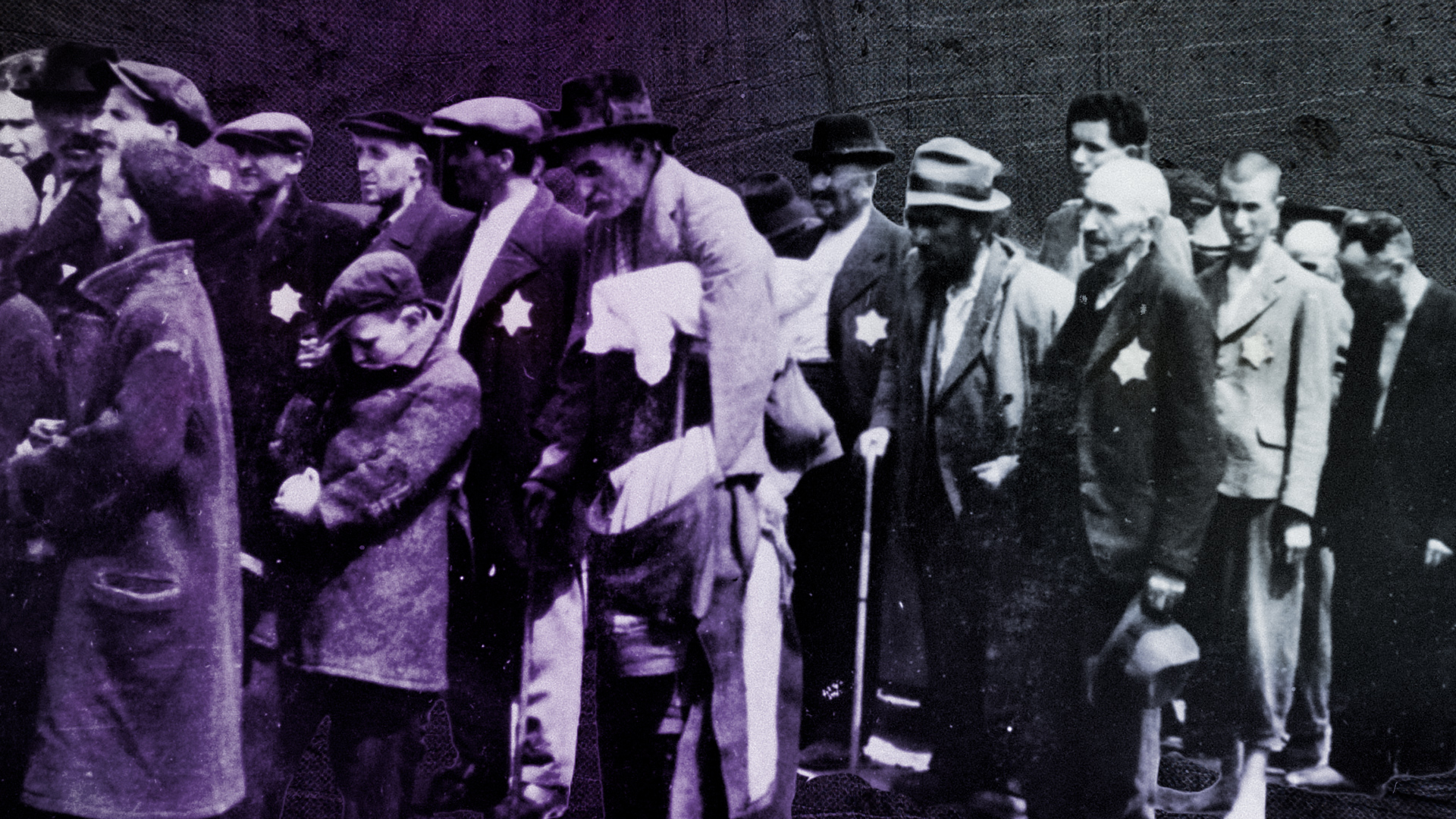
Teaching antisemitism can feel like trying to map something that refuses to stay still — rooted in the past, but constantly reshaping itself in the present. Conversations about hate, identity, and conspiracy theories can feel especially difficult to navigate in today’s classroom, where students are encountering these ideas not just in history books, but in real time on social media and in public discourse.
Teaching about antisemitism can be challenging because it is both historical and highly adaptable. Students may struggle to recognize it when it appears through coded language or conspiracy theories rather than overt discrimination, and many lack the background knowledge needed to connect past examples to present-day realities.
ConnectED’s Antisemitism 101 resource gives educators classroom resources and lesson plan support for teaching the history and evolution of antisemitism, what distinguishes it from other forms of prejudice, and how it appears today. The resource helps students identify recurring patterns, analyze stereotypes and conspiracy theories, and connect historical examples to contemporary expressions of antisemitism.
What Does the Video Cover?
Our video introduces students to the history, evolution, and present-day realities of antisemitism, helping them understand how one of the world’s oldest forms of hatred continues to adapt across time and place. Key topics include:
- Defining Antisemitism: The video begins by asking what antisemitism is and how it functions, introducing students to antisemitism as prejudice against or hatred of Jewish people and exploring why some educators and scholars also use the term “Jew hatred.”
- Erasive Antisemitism: Students are introduced to the idea of “erasive antisemitism,” or the pressure placed on Jews to hide, downplay, or disconnect from their identity in order to be accepted.
- The History of Antisemitism: The video introduces students to antisemitism across historical periods, from Judeophobia in the ancient world to religious antisemitism in medieval Europe and racial antisemitism in the 19th and 20th centuries, while showing how older tropes continue to shape some contemporary forms of anti-Jewish hatred.
- What Makes Antisemitism Distinct: Students examine how antisemitism is similar to other forms of hatred, but also how it differs, especially in the way it often portrays Jews as having hidden or outsized power.
- Antisemitism and Conspiracy Theories: The video explores the relationship between antisemitism and conspiracy theories, showing how Jews have repeatedly been scapegoated through false claims that they secretly control events or institutions.
- Confronting Antisemitism Today: Finally, the video asks what responsibility individuals and communities have to challenge antisemitism in the present, emphasizing that responding to hate cannot fall only on Jews themselves.
Practical Tips & Strategies
- Tracing Patterns Over Time – Help students understand that antisemitism is not static, but evolves across historical periods while maintaining core patterns. By examining its transformation from ancient Judeophobia to religious, racial, and modern political forms, students can see how antisemitism adapts to different contexts while continuing to rely on familiar tropes like scapegoating and blame. The Antisemitism 101 resource provides a clear framework for tracking these shifts and identifying recurring themes across time.
- Conspiracy & Scapegoating Analysis – Guide students in unpacking how conspiracy theories function and why antisemitism is so often tied to claims of hidden or outsized Jewish power. The video highlights how conspiracy thinking offers simple explanations for complex problems, frequently positioning Jews as a scapegoat. By analyzing these patterns, students can better recognize how misinformation spreads and why it persists.
- Recognizing Modern Manifestations – Encourage students to connect historical antisemitism to what they encounter in contemporary spaces, including social media, politics, and public discourse. Antisemitism 101 helps students identify how antisemitism can appear in less overt forms, such as “erasive antisemitism,” where Jews are pressured to hide aspects of their identity. This approach builds students’ ability to recognize and respond to antisemitism in real time.
A Sample from Our Curriculum
Below are examples of discussion questions and activities designed to spark conversation, deepen analysis, and help students wrestle with complexity.
Discussion Questions Include:
- Who is responsible for confronting antisemitism/Jew Hatred today? How can groups build bridges around confronting all forms of hatred?
- Have you seen examples—online, in schools, on social media, or in political spaces—where Jews were expected to hide their Jewish identity or connection to Israel? Why is this form of antisemitism harder to recognize than overt hate or violence?
- Why do you think conspiracy theories about Jewish people, such as those rooted in “The Protocols of the Elders of Zion,” continue to be influential despite being disproven?
Learning Activities Include:
- Reflection Essay: Ask students to write a short essay reflecting on what they’ve learned about antisemitism. Prompts could include: “Why is it important to understand the origins of antisemitic stereotypes?” or “How can we use this knowledge to build more inclusive and respectful communities?”
- Case Study Portfolio: Students assemble a mini-portfolio of 3–4 case studies showing how antisemitism “mutates” across different societies and eras. Use this resource [Antisemitic Tropes and their Origins] to familiarize students with different antisemitic stereotypes. Then, choose one stereotype and highlight how it manifested in 3–4 contexts.