
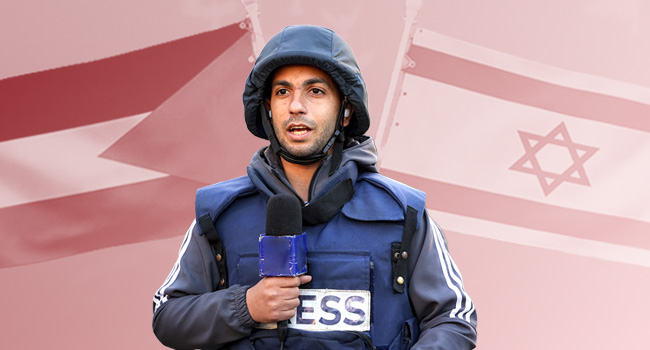
This five-lesson module guides students through a sequential, humanizing approach to the Israeli-Palestinian story, beginning with the foundations of Jewish identity and the Zionist movement and building toward an honest, nuanced engagement with one of the most complicated and misunderstood conflicts in modern history. Rather than beginning with the conflict itself, the module first establishes who the people are: their histories, their connections to the land, and the movements that shaped their national aspirations, before examining the pivotal moments and competing narratives that define the Israeli-Palestinian story today.
ConnectED's approach centers human identity before conflict, engages honestly with competing narratives without flattening the complexity of either, and invites students to develop the dialogue skills necessary to discuss this history with intellectual rigor, empathy, and care.
Module Big Ideas
- Historical Context and Competing Understandings
Zionism emerged as a Jewish national movement shaped by Jewish connections to the land, diaspora, persecution, and modern nationalism. Many Jews understand it as a movement of return and self-determination, while many Palestinians associate its realization with displacement and loss. Understanding both perspectives is essential to understanding the conflict. - Two Narratives, One History
The same historical events are experienced and understood differently by Israelis and Palestinians. Both narratives are shaped by real history, real loss, and real hope. - Complexity as a Skill
The conflict cannot be understood through slogans or binary thinking. Engaging with it honestly requires the ability to hold competing truths simultaneously, examine one's own assumptions, and practice the kind of dialogue that honors both the complexity of the history and the humanity of the people living it.
Essential Questions
- EQ1: What is Zionism, what historical conditions shaped its emergence, and why has it been understood so differently by many Jews and Palestinians?
- EQ2: How do Israeli and Palestinian narratives about the same historical events differ, and what does it mean to engage honestly with both?
- EQ3: What does it look like to think critically and compassionately about a deeply complicated conflict, and what skills does that require of us as students, citizens, and human beings?