
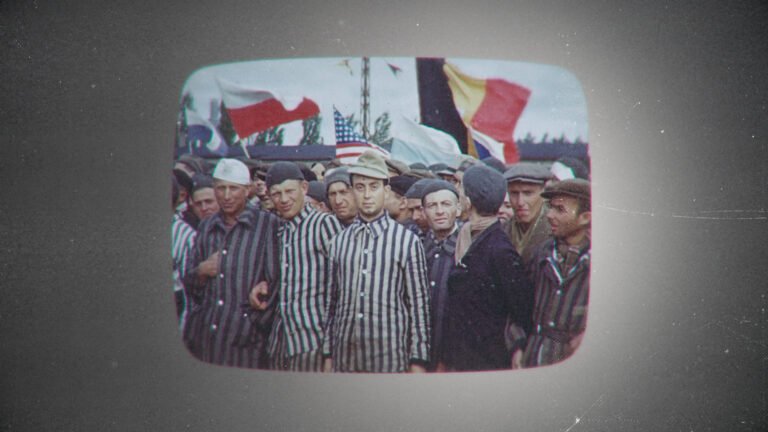
Explore how information about Nazi persecution reached the press, governments, and aid organizations and how their responses shaped the fate of Europe's Jews during the Holocaust.
Essential Questions
- What did the world know about the Holocaust while it was happening, and when did they know it?
- Why did newspapers, governments, and the public often fail to act on information about Nazi atrocities? What factors prevented reporting and rescue efforts from being more effective?
- How do we distinguish between information, understanding, and action in the face of mass atrocity? What turns awareness into moral responsibility?
Big Ideas
- Responsibility and Complicity: The world had access to information about Nazi persecution and genocide, yet the gap between knowing and acting demonstrated how societies can witness atrocity without intervening.
- Structural Barriers: Antisemitism, isolationism, bureaucracy, and political calculations created systemic barriers to rescue.
- Individual and Organizational Courage: When governments failed to act, Jewish organizations, aid groups, and courageous individuals worked outside official channels, though their extraordinary efforts could only partially address a state-created catastrophe with non-state resources.