
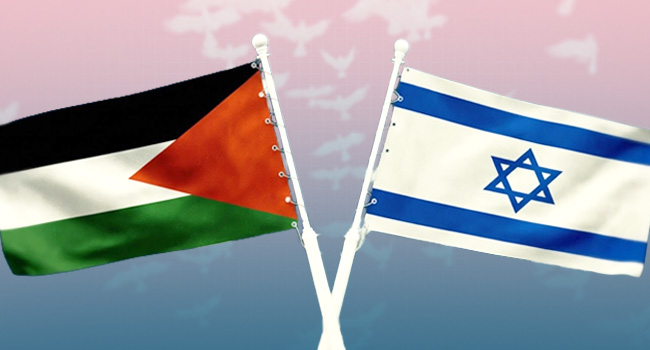
Trace the Israeli-Palestinian conflict from its roots in the late Ottoman period through wars, uprisings, and peace negotiations, and examine how history, identity, and competing narratives continue to shape the conflict today.
Essential Questions
- How do Israeli and Palestinian perspectives differ in explaining how the conflict began, why it continues, and what could bring it to an end?
- How have internal pressures and external influences shaped the course of the Israeli-Palestinian conflict over time?
- What lessons can be learned from past peace efforts, and what makes finding a lasting solution so difficult?
Big Ideas
- Competing Narratives: Israelis and Palestinians have different narratives about the origins, causes, and possible solutions to the Israeli-Palestinian conflict. Understanding these narratives is essential to understanding the conflict itself.
- Evolution of Conflict: The conflict has evolved from a regional struggle between two peoples to a deeply personal and global issue shaped by politics, power, and identity.
- Challenges of Peace: Every attempt at resolution reflects both deep hopes for coexistence and the mistrust, trauma, and politics that make lasting resolution so difficult to achieve.