
Discover how conspiracy theories take shape, why they thrive on online platforms, and how to recognize their common patterns.
Essential Questions
- What is a conspiracy theory, and how does its structure differ from legitimate questions about power, truth, and accountability?
- Why are conspiracy theories so psychologically compelling, and what does their appeal reveal about fundamental human needs?
- What responsibilities do we have as consumers and sharers of information when we encounter conspiracy thinking — in our feeds, our communities, and our relationships?
Big Ideas
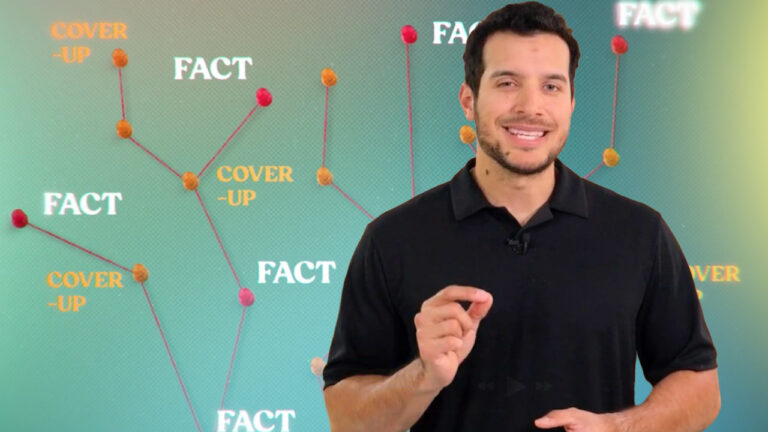
- The Anatomy of a Conspiracy Theory: Conspiracy theories follow a recognizable structure: a secret group, a cover-up, ordinary details reframed as evidence, and a hero narrative that makes them feel coherent and compelling even when they lack verifiable proof.
- The Psychology of Belief: Conspiracy theories spread not because people are gullible, but because they fulfill real human needs: the desire for certainty, the need to feel in control, and the comfort of belonging to a group that "knows the truth."
- Real-World Consequences: Conspiracy theories are not harmless internet content. They erode trust in institutions, strain relationships, and in some cases fuel harassment, discrimination, and violence, making the ability to recognize and respond to them a critical civic skill.